11 psychoanalytic classics of British 60s rock
By Austin Ratner
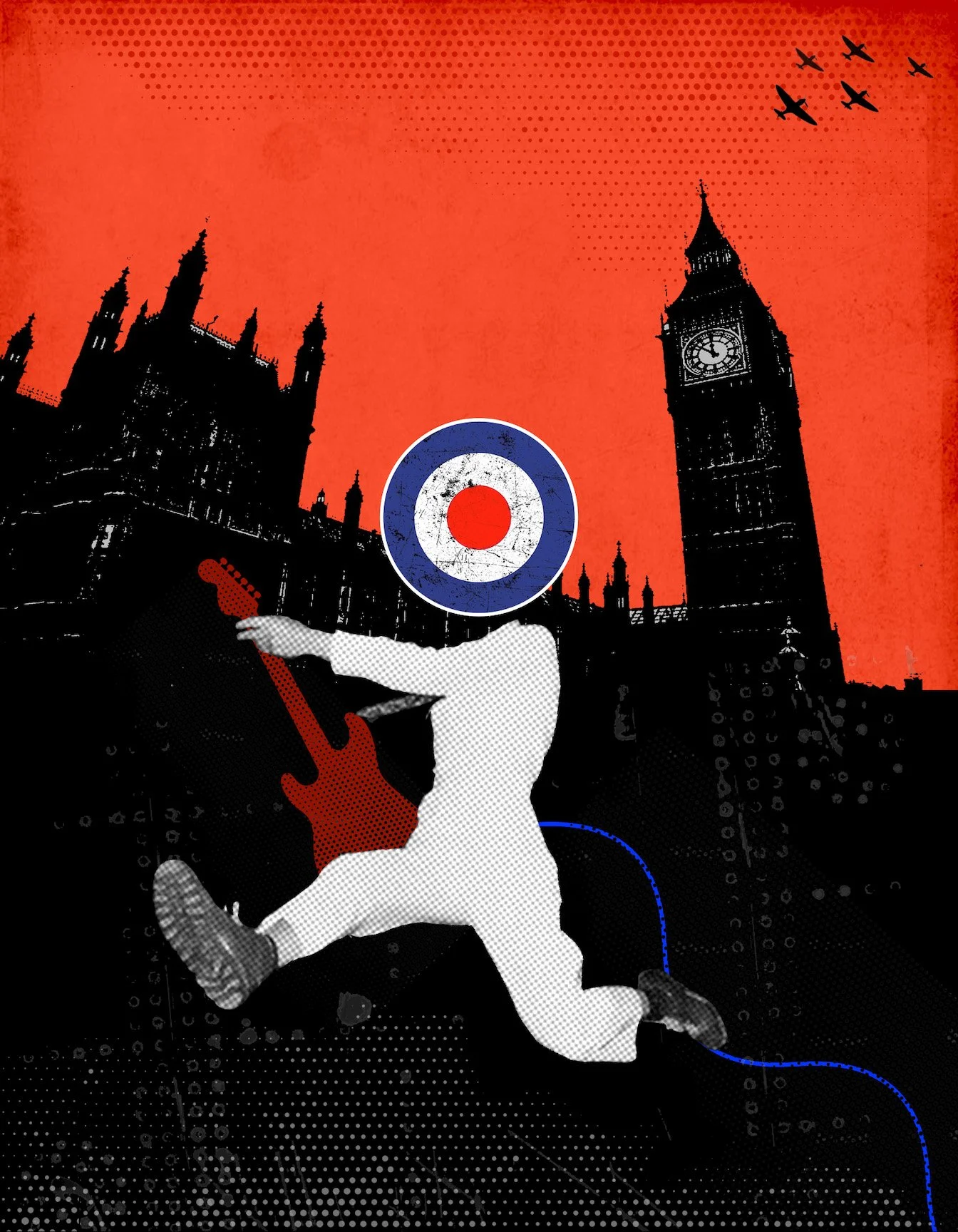
Illustrations by Austin Hughes
It’s right in the name. The blues. The music of the Mississippi Delta was always about woe, and about its relief. The relief was in the telling of the woe—“Don’t the Delta look lonesome when that evenin’ sun go down?” The relief was in the rebellion against woe in the form of melody and harmony, chord changes and rhythm. Woe and its relief are the secret sauce of rock and roll, too, the electrified scion of the blues. Perhaps that’s why, as psychoanalyst Michael Brog wrote in the Psychiatric Times in 2005, psychoanalysis and rock and roll are soulmates.
British rock of the 1960s coincided with, and helped to create, a rapid growth in the form. “Our parents had been rather repressed,” Paul McCartney told Billboard in 2015, “and we were breaking out of that mold. Everyone was let off the leash.” After World War II, the famously bottled-up Brits lost their empire and claimed the therapy of rock and roll, enriching American blues with a proliferation of words and sounds to express every feeling. In that decade, rock and roll got wilder and sexier and at the same time more deeply personal and confessional, a psychoanalytic medium treating woe with introspection and the catharsis of music. Here are our top 11 most psychoanalytic British rock songs from the British Invasion to 1970.
Check out our Spotify playlist to listen along.
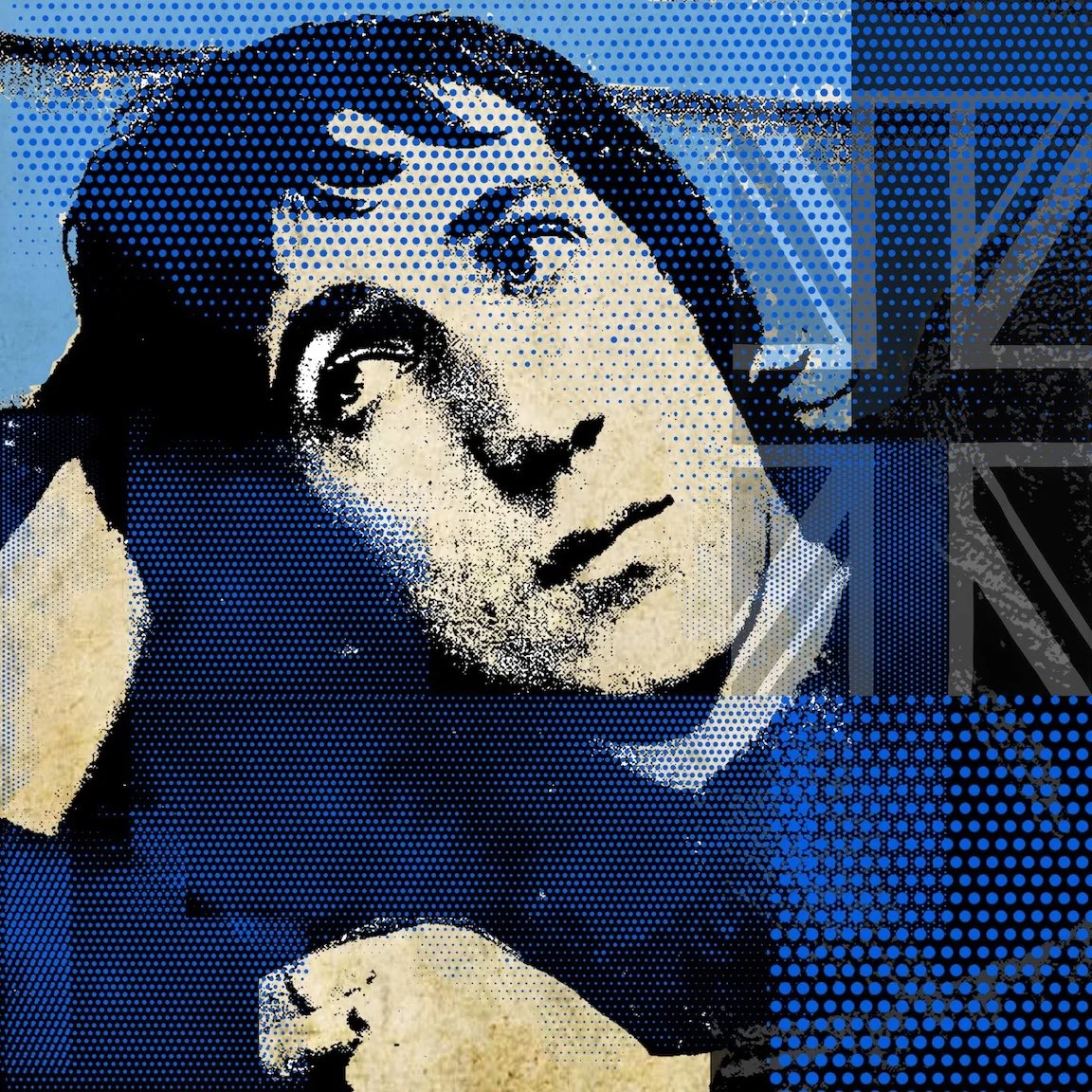
11. Pinball Wizard – The Who (1969)
That deaf, dumb, and blind kid
Sure plays a mean pinball
The protagonist of the Who’s double-platinum double-album behemoth rock opera Tommy sounds like a case study from the Breuer-Freud archives. Across 24 rock and roll tracks, Pete Townshend traces the arc of Tommy’s life, beginning with a childhood trauma: Tommy’s father, Captain Walker, disappears in World War I and is presumed dead but later returns home to discover Tommy’s mother with another man. Tommy witnesses his father murdering the other man and is instructed in the practice of denial by his parents, who sing loudly at him in the song “1921”:
You didn’t hear it (I heard it)
You didn’t see it (I saw it)
Tommy’s quiet responses assert the truth against his parents’ browbeating, but this particular truth ultimately proves too hard to bear. He develops a case of hysterical blindness and deafness and is cured by a doctor who correctly diagnoses it as psychosomatic. Townshend only later realized he’d written Tommy about his own childhood trauma. In 2024 he told CBS Sunday Morning he was abused between the ages of four-and-a-half and six-and-a-half while staying with his “crazy grandmother.”
10. A Rose for Emily – The Zombies (1968)
She keeps her pride somehow
That’s all she has protecting her from pain
The Zombies’ 1968 album Odessey and Oracle featured orchestral arrangements and multipart harmonies reminiscent of the Beach Boys’ Pet Sounds as well as introspective lyrics steeped in depth psychology. Its second track, “A Rose for Emily,” was named for the widely read Southern-Gothic short story by William Faulkner in which a virginal spinster fails to separate from her controlling father, never marries, and spirals instead into serious psychopathology. The lyrics follow Faulkner’s depiction of Emily as a woman ruined by her own psychological defenses; she lies to herself to ward off painful acknowledgment of her failings, which in the end include necrophilia. A woman who sleeps with a corpse is in denial pretty deep indeed.
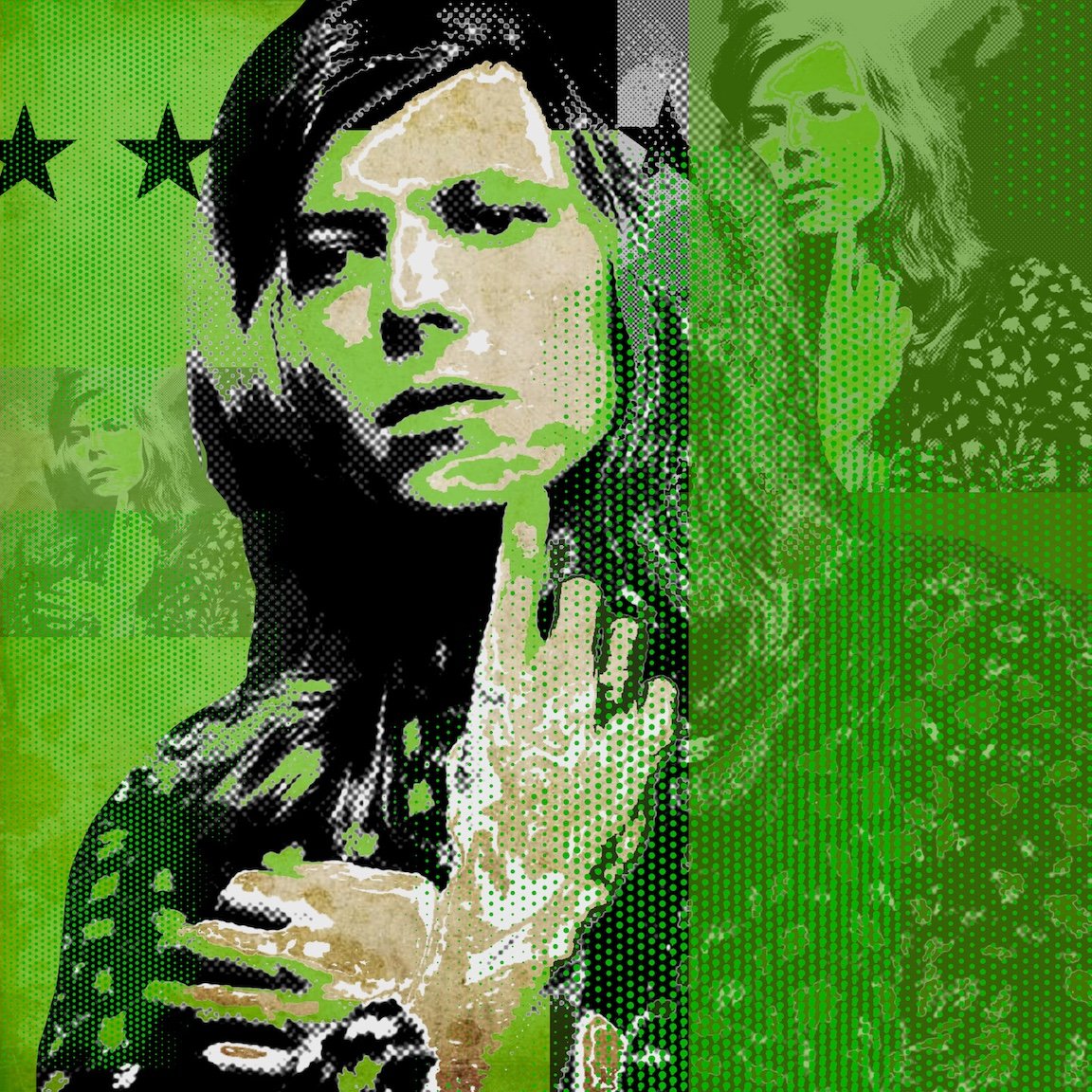
9. All the Madmen – David Bowie (1970)
My libido’s split on me
Gimme some good ol’ lobotomy
David Bowie’s older brother Terry Burns loomed large for him. Even while institutionalized for schizophrenia, Burns managed to introduce Bowie to music before ultimately succumbing to mental illness and committing suicide in 1985. Bowie wrote “All the Madmen” in part about his brother. Like Syd Barrett of Pink Floyd, whom Bowie regarded as a major influence, Bowie turned to personal material when he wrote. In 1972, he told Melody Maker, “My own work can be compared to talking to a psychoanalyst. My act is my couch.”
The song contemplates the frightful reality of insanity but plays with it too in classic Bowie style, adopting it as a persona that can then be cast off. When the song transitions from verse to prechorus, the listener feels the change in persona. The antic, naked opening melody on flute yields to furious drums and power chords on electric guitar. Even as the lyrics turn violent and self-destructive (“I will break my arm”) the song suddenly offers relief to the ear as Bowie drops his costume of helplessness and insanity on the stage floor, steps to the microphone with axe in hand, and unleashes the power of rock and roll on his fears.
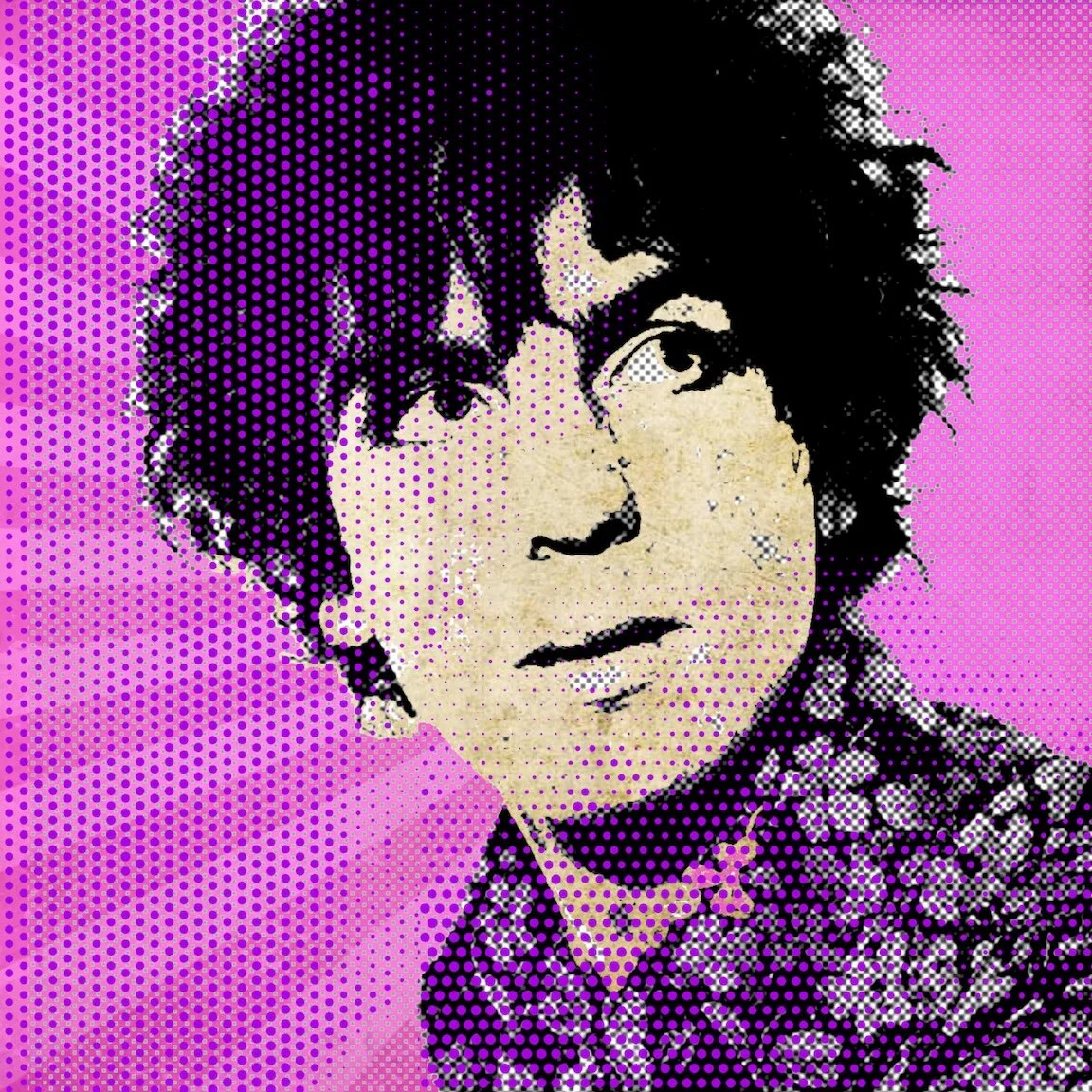
8. Matilda Mother – Pink Floyd (1967)
For all the time spent in that room
The doll’s house, darkness, old perfume
And fairy stories held me high
On clouds of sunlight floating by
Oh Mother
Tell me more
The troubled genius Syd Barrett, founder of Pink Floyd, began his precipitous decline into drugs and mental illness when he was only 20. He’d already made an unforgettable impact on rock and roll, however, with his deep spelunking into the unconscious. Even the surreal band name “Pink Floyd,” which Barrett created by combining the first names of bluesmen Pink Anderson and Floyd Council, reflected his unusual attunement to an inner dreamworld. The debut album he wrote, Piper at the Gates of Dawn, defined the unique psychedelic sound and lyrics for which the band would become famous.
His charisma as lead singer made Pink Floyd a sensation in the London underground scene, but by the end of 1967 he’d become mentally disordered. The dreamworld of his imagination and the hard drugs he took to stay in contact with it had engulfed him. He became so confused he couldn’t carry on a normal conversation, let alone perform a song. He would stare into space for long stretches.
Bandmates Roger Waters and David Gilmour would later write “Shine On, You Crazy Diamond” in tribute to him, their lyrics calling back to Barrett’s own in “Matilda Mother.” Their homage describes the childhood sunlight that Barrett craved and tried to recapture in music and drugs:
Remember when you were young?
You shone like the sun
Shine on, you crazy diamond
Now there’s a look in your eyes
Like black holes in the sky
You were caught in the crossfire of childhood and stardom
Blown on the steel breeze
The album Piper at the Gates of Dawn was named for a chapter in the classic children’s book The Wind in the Willows by Kenneth Grahame. Fittingly, Barrett’s song “Matilda Mother” gives voice to a boy’s longing to return to the sunlit fairy tales, freedom to play, and mother-love of childhood while also hinting at some perceived darkness in the actual childhood room where his mother read to him.
Waters would later write his own rock opera, The Wall, about “Pink,” a character based partially on Barrett, partially on himself. Waters turned to psychotherapy and to rock and roll to understand himself and to seek relief in music instead of hiding, “comfortably numb,” behind “the wall” of denial, dissociation, and drugs that eclipsed Barrett.
7. (I Can’t Get No) Satisfaction – The Rolling Stones (1965)
’Cause I try and I try and I try and I try
I can’t get no, I can’t get no
In Beyond the Pleasure Principle, Freud delineated two categories of distress: that which comes from perception of an external danger and that which comes from the internal “perception of pressure by unsatisfied instincts.” In “Satisfaction,” Mick Jagger complained of the latter in blunt sexual and aggressive language that resonated around the world. “Satisfaction” became the Stones’ first number-one hit on the US charts and sold 4.5 million records in the first year. The song got censored and banned from the radio for the crude but honest line “I’m tryin’ to make some girl,” even though, as Mick Jagger pointed out in 1966, the next line in the song was actually “the dirtiest,” alluding as it did to the girl’s menstrual period—the only reason, apparently, a girl ever said no to Mick Jagger. If anyone on Earth is unqualified to complain about his romantic life, it’s Mick, but apparently he had his frustrations too. And they helped usher into the mainstream a new Freudian candor about desire.
Keith Richards said he wrote the famous guitar riff in his sleep; he woke up one morning to discover he’d recorded it sometime in the middle of the night. If Freud is right that dreams are attempts at wish fulfillment, then Richards may have dreamt his way to a serious kind of musical fulfillment here indeed. In the version of the song we’ve all come to know, Richards’s hooky riff literally substitutes for the word “satisfaction” at the end of the chorus. It’s one of rock and roll’s most elegant instances of sublimation—a song about frustration that creates its own satisfaction in the pleasure of music and the confession of desire.
6. Feelin’ Alright? – Traffic (1968)
You feelin’ all right?
I’m not feelin’ too good myself
It’s one of the most covered rock songs of all time. Joe Cocker’s rendition at Woodstock in 1969 might be the most famous version, but “Feelin’ Alright?” was originally written and performed by Dave Mason of Traffic. From the beginning of his career, Mason shared psychoanalysts’ interest in deep feelings—including in an early band called Deep Feeling, as well as a post-Traffic solo track called “As Sad and Deep as You.”
“Feelin’ Alright?” was written after Traffic’s initial success caused Mason to take a hiatus from the band in Greece. “I think I was about 19 years old—it came too quick and I couldn’t really handle it,” he told Songwriting Magazine in 2017. “Basically it’s an unrequited love song. It’s ‘feeling alright’ with a question mark.” As with the Stones’ line “I can’t get no satisfaction,” Mason’s bluesy complaint “Feelin’ alright? I’m not feelin’ too good myself” offers listeners solace in the kinship of bad feelings while also lifting spirits with its resuscitative, fun syncopations and pleasingly simple chord changes.
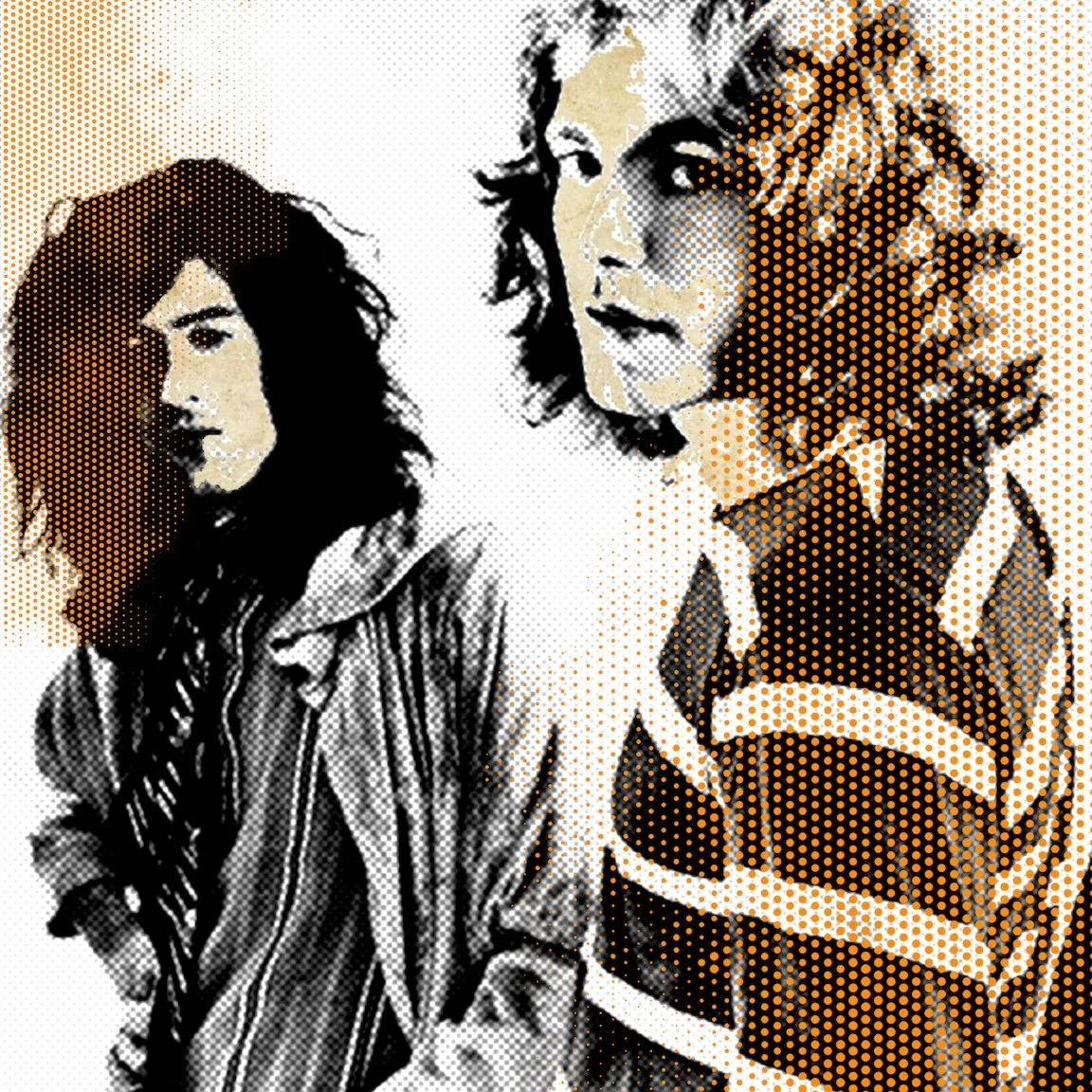
5. Good Times Bad Times – Led Zeppelin (1969)
In the days of my youth, I was told what it means to be a man
Now I’ve reached that age, I’ve tried to do all those things the best I can
No matter how I try, I find my way to the same old jam
Two stabs of an E5 power chord and the snare drum starts slowly ticking. Two more stabs of E5 by Jimmy Page and John Paul Jones and the snare ticks faster. Two more and John Bonham adds in a muted cowbell, then a full drum fill on his toms and kick, and Robert Plant begins to sing. It was Zeppelin’s first single, recorded at Jimmy Page’s expense before the band even had a record contract, and it was the first track on their eponymous debut album—the one bearing George Hardie’s stippled monochrome of the Hindenburg disaster. All that made a fitting opening salvo for a band who arrived late and uninvited to the British Invasion and hit reset on the blues revolution with one blow. As Greg Kot put it in Rolling Stone in 2001, reappraising Zeppelin’s debut, “Hard rock would never be the same.”
But when Robert Plant penned these personal lyrics, he wasn’t yet the “golden god” of rock. He was just a kid who felt like a failure in the eyes of his father. He was passionate about music, but his father wanted him to be an accountant. Stephen Davis, author of Hammer of the Gods: The Led Zeppelin Saga, writes that in 1970, when the Financial Times reported that Led Zeppelin was earning $800,000 a month on tour, Plant said, “My dad finally believes I’m a success. … Now he finally thinks I may have done the right thing not to become a chartered accountant.” The opening lines of the Zeppelin oeuvre seem to borrow their pathos from this filial predicament. And those opening power chords are like a jab in the chest to wake up all the fathers and mothers who sleep on their children’s dreams.
4. Strawberry Fields Forever – The Beatles (1967)
Living is easy with eyes closed
Misunderstanding all you see
The days of his youth were on John Lennon’s mind when he wrote “Strawberry Fields Forever.” Strawberry Field was a Salvation Army orphanage in Liverpool. Lennon never lived there, but he was an orphan himself and lived near enough to the orphanage with his Aunt Mimi in Woolton he could see it from his bedroom window. Lennon said of his mother in his 1980 Playboy interview, “She just couldn’t deal with life. She had a husband who ran away to sea and the war was on and she couldn’t cope with me, and when I was four and a half, I ended up living with her elder sister.” He would get his aunt to take him to see the Salvation Army band every time they played.
Lennon told Playboy he didn’t like to dwell on the past except when it “helped me grow psychologically.” “Strawberry Fields Forever” was an instance of such reflection and growth. He called the song “psychoanalysis set to music” and considered it one of his best and most honest songs. Its opening lines may indeed be the pithiest encapsulation of defense mechanisms since Thomas Gray coined the phrase “Ignorance is bliss.” The song feels even more personal and moving in recent remixes that subtract some of the experimental, psychedelic effects layered onto the 1967 version. The remixes bare Lennon’s vocals just as he bares his heart.
The TAP team covered the song in 2024 to celebrate issue 58.2, focused on music and psychoanalysis.
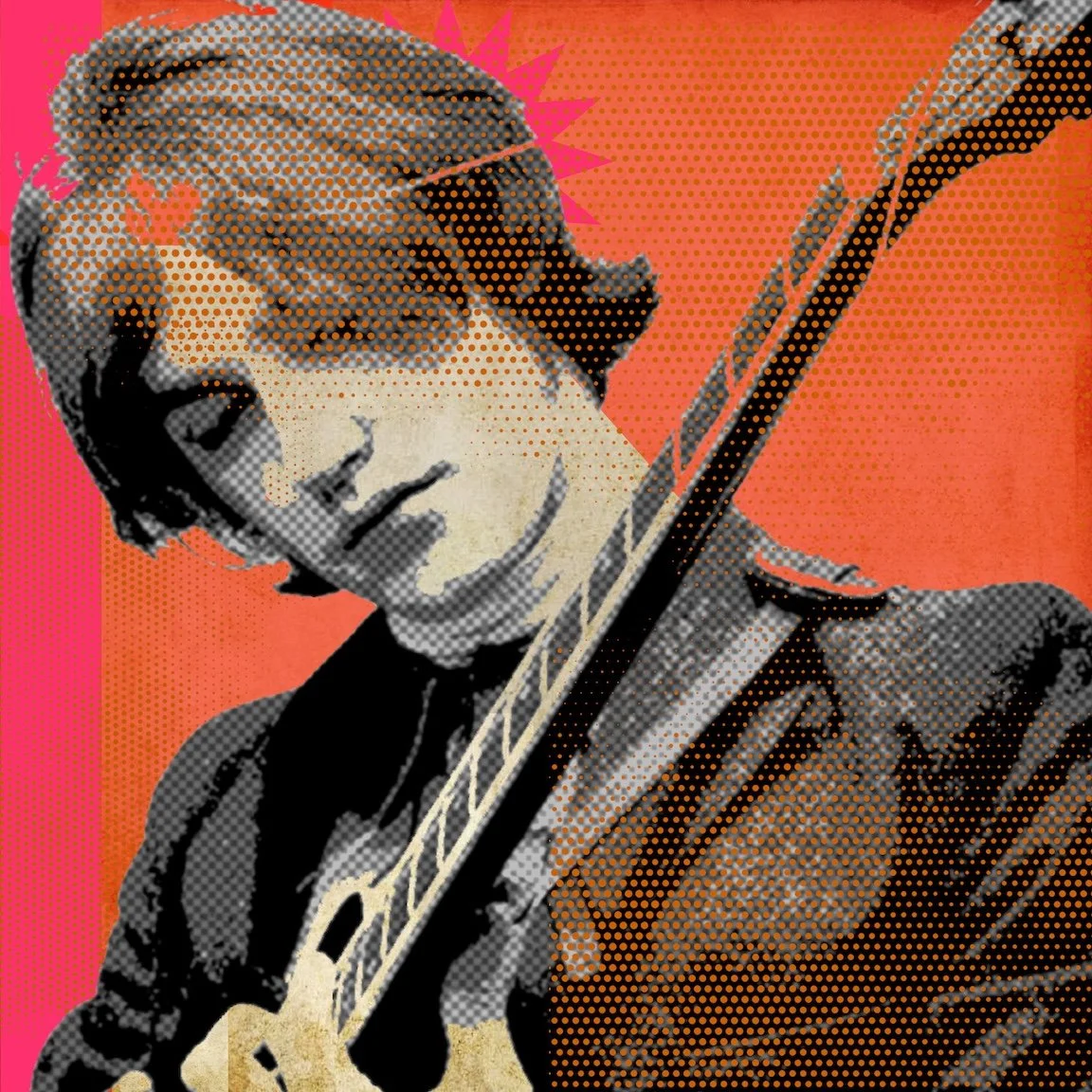
3. You Really Got Me – the Kinks (1964)
Girl, you really got me goin’
You got me so I don’t know what I’m doin’
Yeah, you really got me now
You got me so I can’t sleep at night
The Kinks’ hit single “You Really Got Me” helped open up a new sonic direction for rock and roll: distortion. Punk and heavy-metal bands would later build temples to distortion on electric guitar. Kinks guitarist Dave Davies told The Guardian in 2013 of the emotionally fraught circumstance in which he stumbled across it:
My childhood sweetheart Sue got pregnant and we wanted to get married. But our parents said we were too young and they split us up. I was a rebellious, angry kid anyway, but that had a profound effect on me. I was full of rage. A little later, I was very depressed and fooling around with a razor blade. I could easily have slashed my wrists, but I had a little green amplifier, an Elpico, that was sounding crap. I thought, “I’ll teach it,” and slashed the speaker cone. It changed the sound of my guitar. Then, when I wired that amp up to another, a Vox AC30, it made it a lot, lot louder. That’s how “You Really Got Me” became the first hit record to use distortion, which so many bands have cited as the beginnings of punk and heavy metal.
It was another important instance of rock and roll sublimation turning pain into pleasure, sorrow into song. And its guitar distortion perfectly conveys the theme of psychological distortion at the heart of “You Really Got Me.”
It’s a cardinal principle of psychoanalysis that feeling can distort thinking. Defense mechanisms are one example. We might feel mad, for example, but our anger makes us feel worried and guilty, so we project it onto others and imagine they’re mad at us. Kinks frontman Ray Davies (Dave Davies’s older brother) wrote about that kind of paranoid thought distortion in the song “Destroyer.” Transference can distort thinking, too: A feeling about someone significant from childhood might color my reaction to someone in the present without my knowing it.
In “You Really Got Me,” we don’t know exactly how feelings are distorting the singer’s thoughts, but we certainly know that they are. They’re making the singer a stranger to himself, so he doesn’t know what he’s doing and saying. In this case, that doesn’t sound too harmful apart from a little insomnia. It sounds like pleasurable infatuation. And that letting go, that swoon of desire, that’s rock and roll, too.
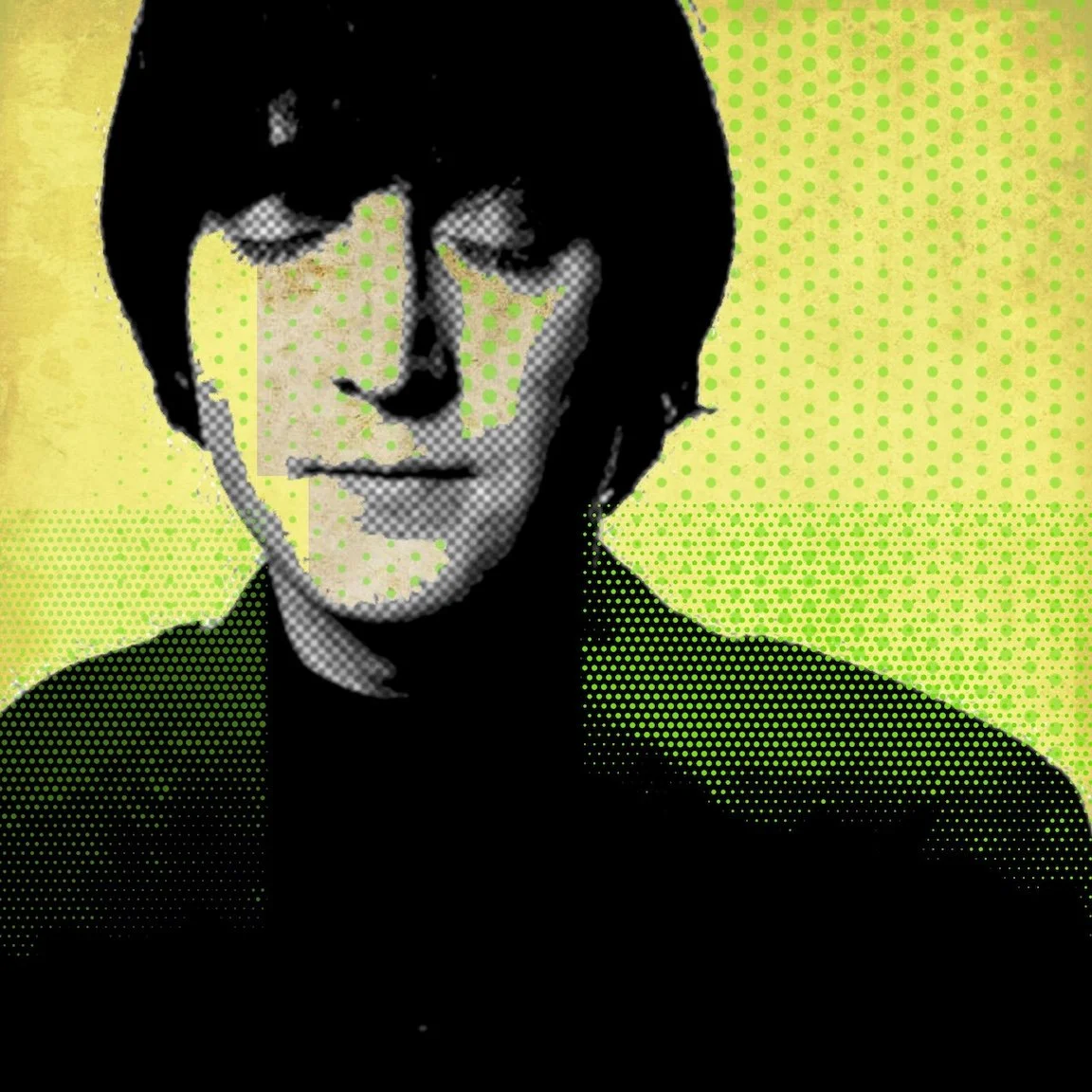
2. Help! – the Beatles (1965)
Help me if you can, I’m feeling down
Like “Strawberry Fields Forever,” “Help!” was one of John Lennon’s most personal songs and remained one of his favorites in the Beatles repertoire. Looking back on the song in 1980, he told Playboy, “Now I may be very positive ... yes, yes ... but I also go through deep depressions where I would like to jump out the window, you know. It becomes easier to deal with as I get older. … Anyway, I was fat and depressed and I was crying out for help.”
“Help!” was written at a time when the Beatles’ fame had gotten so big they couldn’t go outside their hotel without a literal risk of being trampled by adoring fans. Normal life became impossible. Like many other rock stars, the Beatles retreated into drugs, which only walled them off further. Lennon called it his “Fat Elvis period” and it’s evident that his cry for help was not only about depression but about the pressures of mega-fame and the grip of addiction.
Paul McCartney only later realized the sincerity of John’s plea. Back then Paul and John were kids hiding their vulnerabilities behind the towering edifice of the Beatles, the most successful band in history. The previous year they’d had six number-one songs and at one point held positions one through five atop the Billboard hot 100 with five different songs. None of that had ever been done before, and it hasn’t been done since.
Paul said of John in a Billboard interview in 2015, “He didn’t say, ‘I’m now fat and I’m feeling miserable.’ He said, ‘When I was younger, so much younger than today.’ In other words, he blustered his way through. We all felt the same way. But looking back on it, John was always looking for help. He had [a paranoia] that people died when he was around: His father left home when John was 3, the uncle he lived with died later, then his mother died. I think John’s whole life was a cry for help.”
That so much joy can be wrought from raw materials of so much pain is an irony that spans the blues, rock and roll, and psychoanalysis.
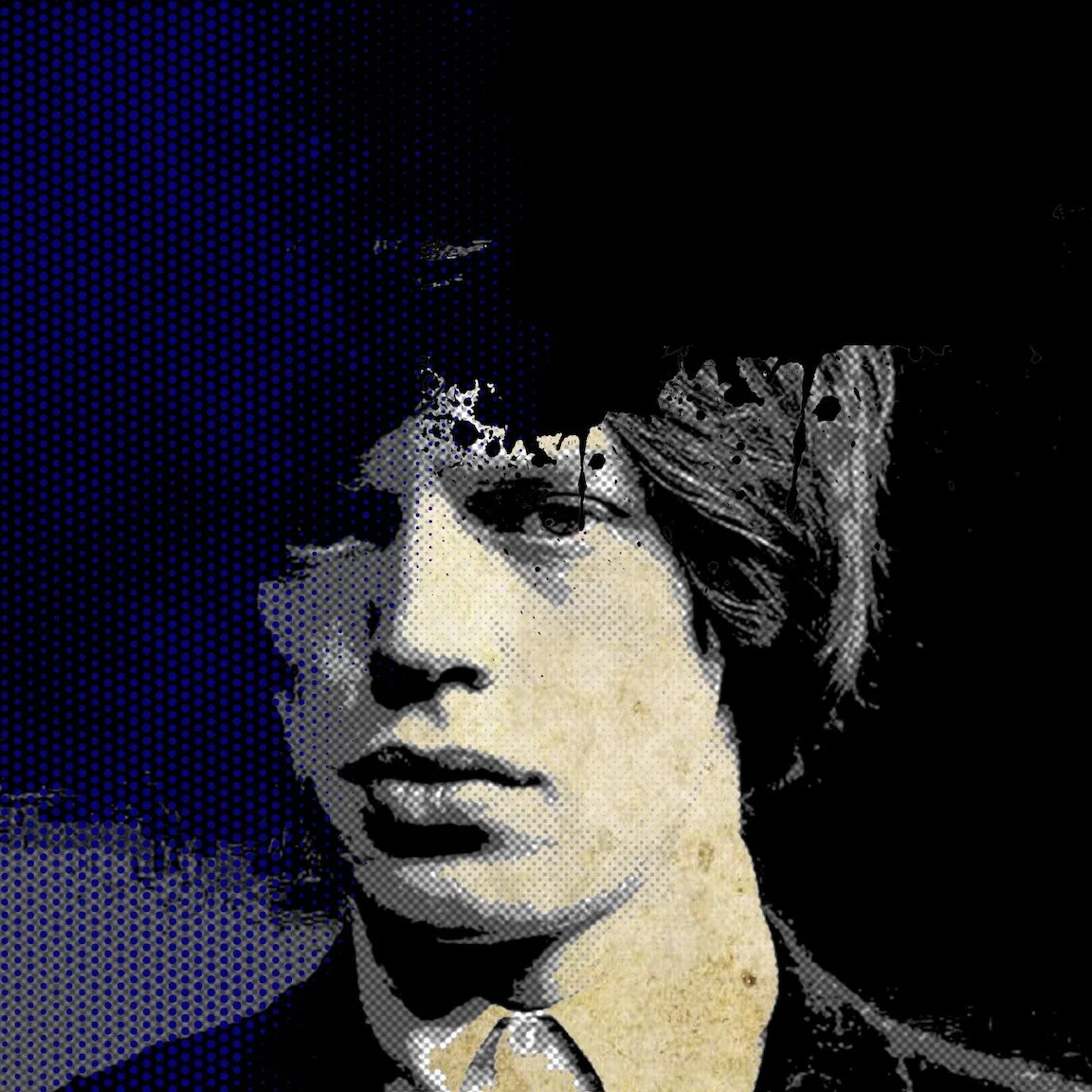
1. Paint It Black – The Rolling Stones (1966)
I look inside myself and see my heart is black
I see my red door, I must have it painted black
Maybe then I’ll fade and not have to face the facts
It’s not easy facing up when your whole world is black
There is no origin story behind the best song ever written about depression. It seems to have sprung like Athena from the head of Zeus. Mick Jagger told Mojo in 2026 he can’t remember anything about writing it: “What a weird song, weird chord sequences, weird everything. … I have no recall of what was going on in my head when I wrote the lyrics or how Keith came up with it in the first place.”
“Paint It Black” doesn’t feel particularly autobiographical. Its frantic energy and eastern voicing suggest something more theatrical than confessional. The song is painted black, more than it’s genuinely black. And how fitting is that for a song about the distorted worldview depression projects! In Mick Jagger’s account, depression isn’t the inevitable, rational response to all that’s black and bad in the world; no, the blackness comes from within. A depressed person paints the world black. In fact, he “must have it” painted black. He wants it to be black.
Why do we feel compelled sometimes to paint over the full colors of the world with black? Perhaps it’s too scary to hope and desire sometimes. We prefer to pretend there’s nothing to hope for so we can’t be disappointed. In Mourning and Melancholia, Freud suggested that depression is anger at a lost love object turned back against the self. Sometimes when we feel hurt and angry, we may also feel guilty about the anger and unconsciously settle on a strategy that tries to satisfy the demands of these two opposite feelings: we vent our anger by painting the world black with our contempt and at the same time deny ourselves the full color of its pleasures to punish ourselves for our unsociable grievances. There may be as many paths to depression as colors, but the result is the same—black.
Rock and roll and psychoanalysis offer an alternative strategy to the processing of anguish. First, as Mick says, you’re not alone. “Paint It Black” is the Stones’ most streamed song! A whole lot of people can obviously relate. Second, seek help for the anguish. Don’t “turn away from it all like a blind man” as Freddie Mercury sings in another psychoanalytic rock-and-roll all-timer, “Under Pressure.” Allow yourself to know about it. Speak to others about it. And finally, play with it. Sublimate that pain, helplessness, and anger, if you can, into swaggering art. Whirl that depression around on the dancefloor. Learn to satirize it, as Mick Jagger does in the best psychoanalytic rock and roll track of all time.
Austin Ratner is contributing editor to TAP and author of The Jump Artist.
Published October 2026